

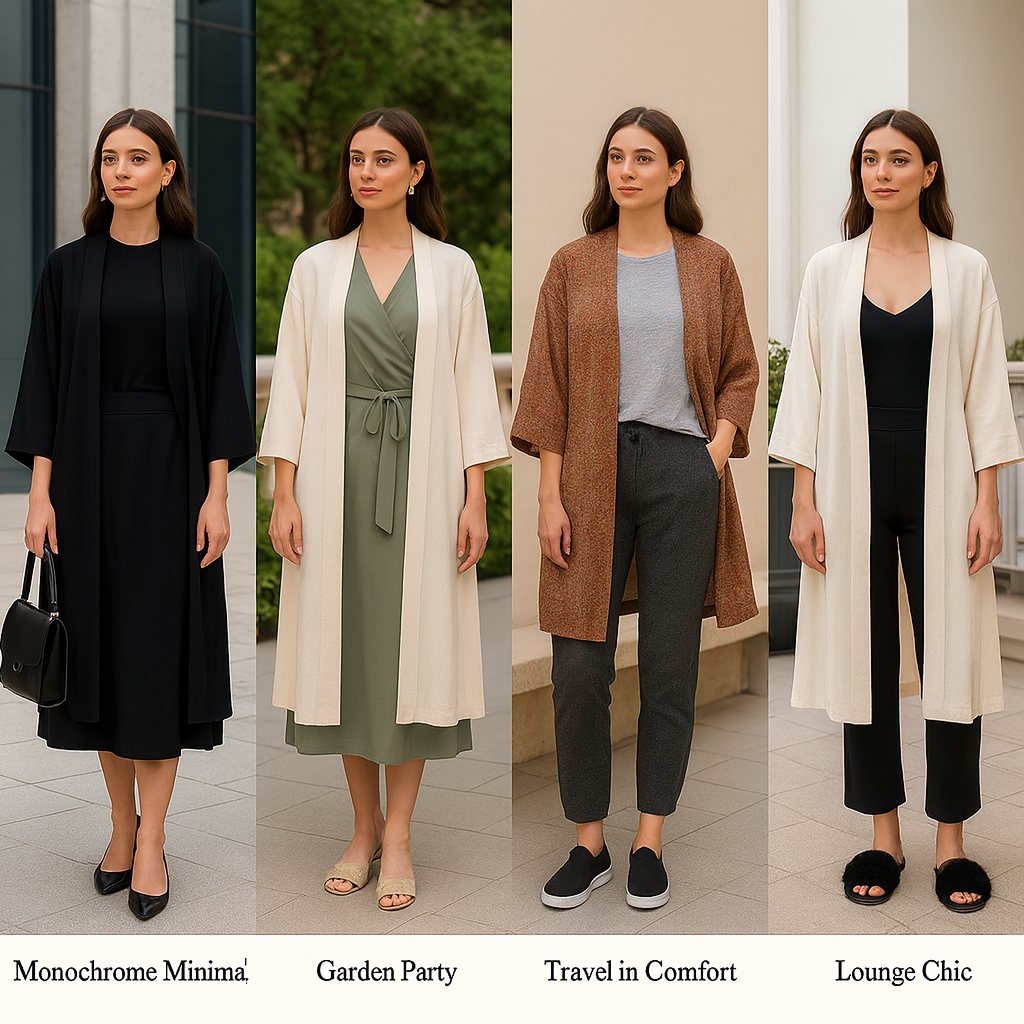
You've invested in a stunning kimono, but it's hanging untouched in your closet. You know it has potential, but when you're rushing to style outfits for Dubai's demanding schedule—client meetings, evening events, weekend brunches—figuring out how to style a kimono feels like one more thing you don't have time for.
Here's the truth: this single piece can transform your wardrobe in ways you haven't imagined yet. A kimono isn't just another garment—it's your secret weapon for effortless elegance. Whether you're presenting to stakeholders, meeting friends at City Walk, or attending an evening celebration, the right styling approach turns this versatile piece into your most-reached-for essential.
In this guide, you'll discover ten proven ways to wear a kimono that work beautifully for the GCC climate and modern modest fashion. From handcrafted silk that drapes like water to structured designs that command attention, you're about to unlock styling possibilities that work as hard as you do.
Quick Styling Guide: 10 Ways to Wear a Kimono
- Office Professional: Kimono + tailored trousers + silk blouse
- Evening Elegance: Silk kimono over fitted dress
- Weekend Casual: Kimono + jeans + basic tee
- Beach Resort: Kimono as luxury swimsuit cover-up
- Work Statement: Kimono as elevated blazer alternative
- Brunch Chic: Kimono layered over midi dress
- Travel Essential: One kimono, five complete outfits
- Business Formal: Monochrome base + statement kimono
- Seasonal Styling: Velvet for winter, silk for summer
- Belted Variations: Transform silhouette with styling tricks
Scroll down for detailed styling instructions for each look.
How to Choose the Right Kimono for Your Style
The kimono has traveled centuries from traditional Japanese ceremonial wear to become one of today's most versatile fashion pieces. What makes it particularly perfect for Dubai's lifestyle? Three things: breathability in our climate, elegant coverage that aligns with modest fashion values, and a sophisticated silhouette that elevates any outfit instantly.
Modern kimonos come in countless variations. Short styles that hit at the hip create a casual, layered look perfect for weekend outings. Long, flowing designs that sweep past the knees bring drama and elegance to evening occasions. Silk kimonos offer that luxurious sheen and temperature-regulating comfort that works beautifully in air-conditioned offices and warm outdoor terraces alike. Velvet options add textural richness for cooler months.
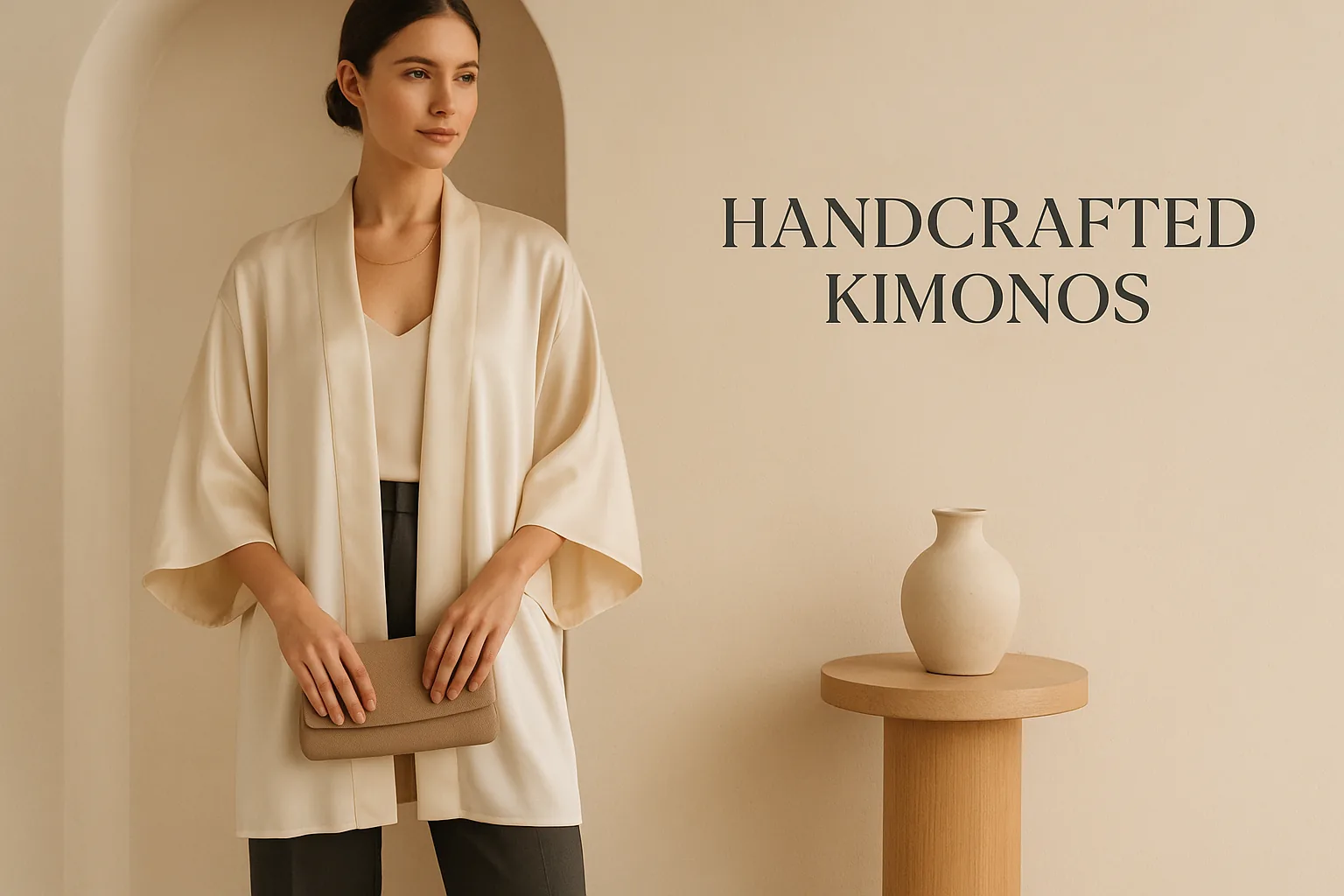
What sets handcrafted kimonos apart is the attention to detail you can feel the moment you slip one on. The way the fabric drapes, the precision of hand-stitched seams, the quality of materials—these elements transform a kimono from a simple coverup into a statement piece that speaks to your appreciation for artisan craftsmanship. This is what we call modern upperwear: pieces designed to be the defining layer of your outfit, not an afterthought.
10 Ways to Style Your Kimono
1. Office-Ready Professional Look
Your morning meeting just got infinitely more stylish. The secret to making a kimono work in professional settings lies in treating it as you would a tailored blazer—with intention and polish.
Start with a structured base: well-fitted trousers in a neutral tone (think charcoal, navy, or camel) paired with a simple silk blouse or fitted knit top. Your kimono becomes the statement layer that pulls everything together. Choose a kimono in a solid color or subtle print—nothing too busy or distracting.
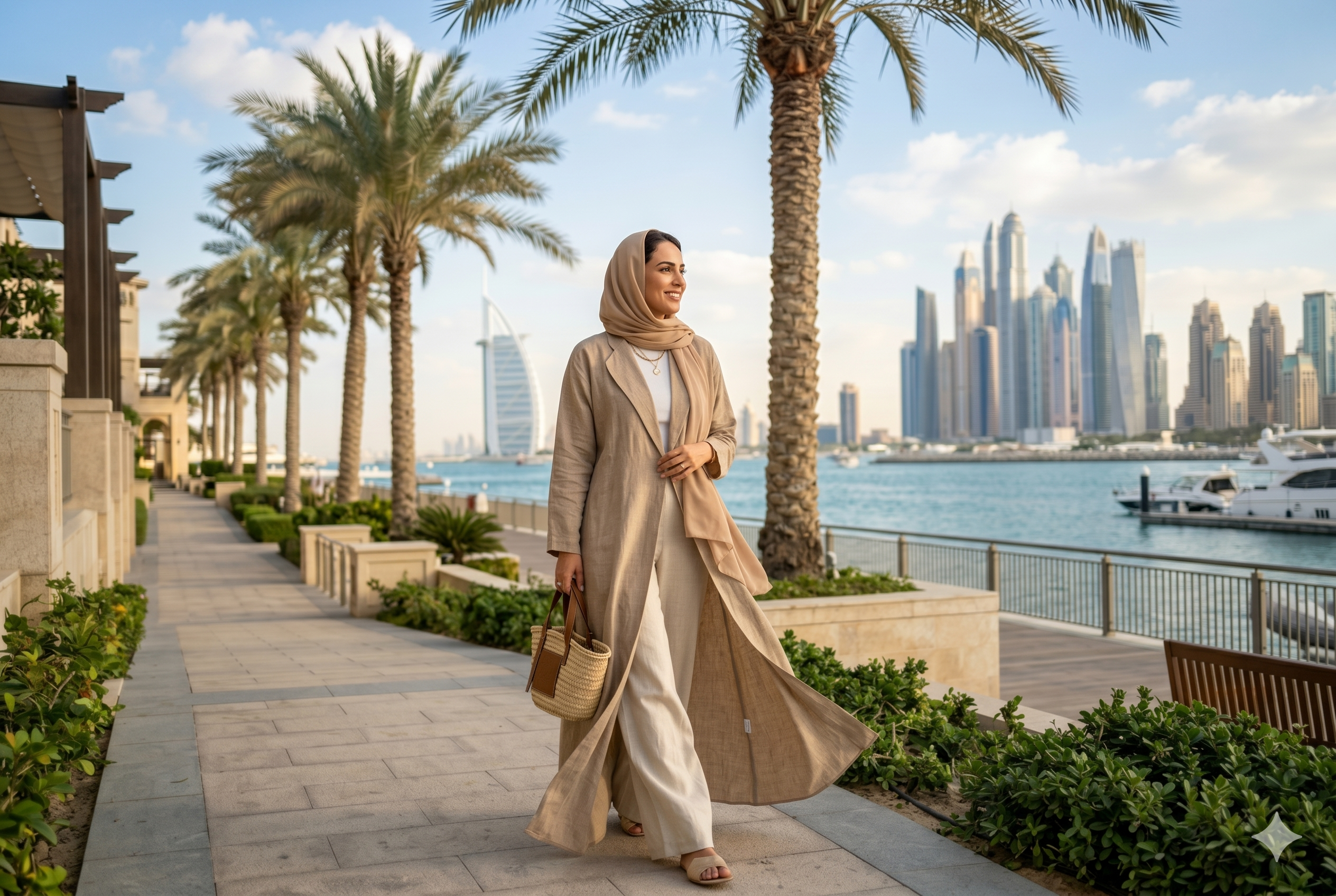
The styling trick that makes this work for Dubai's business culture? Keep the kimono open for a relaxed yet refined silhouette, or add a slim leather belt at the waist to create structure. This transforms the piece from casual coverup to intentional office upperwear that projects confidence and sophistication.
Pair with pointed-toe flats or low block heels, minimal jewelry (a watch and simple earrings), and a structured tote. You've just created an office look that's both modest and undeniably modern—perfect for presentations, client meetings, or those days when you need to feel put-together from the first email to the last call.
2. Evening Elegance for Special Occasions
Dubai's evening events call for something spectacular, and a silk kimono delivers exactly that. This is where your kimono becomes pure luxury—the kind of piece that makes heads turn as you walk into a wedding celebration or Eid gathering.
Layer a silk kimono over a fitted midi or maxi dress in a complementary color. The contrast between the dress's tailored silhouette and the kimono's flowing movement creates visual drama that photographs beautifully. If your kimono features embellishments or a bold print, keep your dress simple. If your kimono is minimalist, your dress can have more personality.
For Dubai weddings and formal celebrations, look for kimonos with subtle embroidery and luxe fabrics that catch the light beautifully. The Korean silk used in quality pieces has a natural luminosity that needs no additional embellishment—it simply glows.
Complete the look with statement earrings (skip the necklace to let the kimono neckline shine), an elegant clutch, and heeled sandals. Let your kimono open to reveal glimpses of your dress as you move, or belt it loosely for a more defined waistline. Either way, you've created evening upperwear that balances modesty with undeniable glamour.
3. Casual Weekend Chic
Saturday morning at the farmer's market or coffee with friends doesn't require elaborate styling—but it does deserve to look effortlessly pulled together. This is where your kimono becomes the easiest styling decision you'll make all weekend.
The formula is simple but effective: your favorite jeans (straight-leg or wide-leg work best), a basic tee or tank in white or a neutral shade, and your kimono as the layer that makes it all feel intentional. Choose a lightweight kimono in a print or color that makes you smile.
The beauty of this combination is its versatility. Heading to brunch? Add slides and oversized sunglasses. Running errands? Sneakers and a crossbody bag. Meeting friends for an afternoon at the beach club? Your short kimono with sandals and you're resort-ready in seconds.
Keep jewelry minimal—delicate layered necklaces or simple hoops—and let the kimono be your statement piece. Roll the sleeves slightly if you want a more relaxed vibe. The entire look takes three minutes to put together but looks like you thought about it for thirty.
4. Beach & Resort Sophistication
Dubai's beach clubs and resort pools demand a different kind of elegance—one that transitions seamlessly from poolside to lunch at the resort restaurant. Your kimono becomes the ultimate luxury cover-up that does exactly this.
Layer a silk kimono over your swimsuit for instant sophistication. The flowing silhouette provides beautiful coverage while the breathable fabric keeps you comfortable in the heat. Korean silk has natural temperature-regulating properties that make it perfect for hot weather—it feels cool against your skin even when the temperature soars.
Here's where resort wear kimono styling gets interesting: you can wear it open for a breezy, bohemian feel, or tie it loosely at the waist to create more structure. Pair with wide-brim hat, oversized sunglasses, and leather sandals for the complete resort aesthetic.
When it's time to transition from pool to dining, simply add statement earrings and switch to wedge espadrilles. Your kimono works just as well over high-waisted linen pants or a midi skirt as it does over swimwear. This is the kind of versatility that makes packing for a weekend getaway infinitely easier—one piece, multiple looks, zero stress.
5. Modest Workwear Statement
The modern professional wardrobe needs pieces that project authority while maintaining modest coverage. This is where a kimono styled as work upperwear becomes your power move.
Think of your kimono as the elevated alternative to a cardigan. Layer it over a long-sleeve fitted top and wide-leg trousers in coordinating tones. The long, flowing lines of the kimono create an elongated silhouette that looks polished and intentional—far more sophisticated than a basic blazer.
💡 Ready to build your kimono wardrobe? Discover SHAZ's handcrafted collection crafted specifically for Dubai's modern professionals.
The secret to making this work for conservative professional environments? Choose a kimono in a structured fabric with clean lines. Avoid overly bohemian prints; instead, opt for subtle patterns, color-blocking, or solid tones that convey professionalism. Artisan-crafted kimonos have a weight and quality that differentiates them from casual beach cover-ups—the difference is immediately visible.
Style with loafers or pointed-toe flats, a structured work bag, and simple gold or silver jewelry. The kimono's sleeves provide coverage without the bulk of a traditional jacket, making it ideal for long workdays where you need to move comfortably between meetings and desk work.
6. Brunch & Day Events
Dubai's brunch culture calls for outfits that feel special but not overdone—elevated casual with a twist. Your kimono makes this balance effortless.
Start with a midi dress in a solid color—nothing too fancy, just a simple sheath or shirt dress that fits well. Now layer your kimono over it, leaving it completely unbuttoned. This creates beautiful movement and adds visual interest without hiding your dress entirely. Choose a kimono with personality and color to make this look shine.
The proportions matter here: if your dress is fitted, a flowing kimono creates nice contrast. If your dress has more volume, choose a shorter, more structured kimono to maintain balance.
Accessorize with block-heel sandals (comfortable for long brunches), a medium-sized handbag, and fun jewelry—this is your chance to play with statement pieces. Add sunglasses because Dubai brunch patios are beautifully sunny, and you've created a look that works just as well at DIFC's latest hotspot as it does at a friend's garden gathering.
7. Travel-Friendly Layering
If you've ever tried to pack light for a trip, you know the value of versatile pieces. A single kimono can create five completely different looks with minimal additional items—making it the ultimate travel essential.
Here's the formula: pack one neutral kimono (black, cream, or navy works with everything), three basic tops, two bottom options (one casual denim, one dressier trousers or skirt), and versatile shoes. Your kimono transforms each combination into something that feels fresh and intentional.
Day one: Kimono over jeans and white tee for travel comfort. Day two: Same kimono belted over a slip dress for dinner. Day three: Kimono as a beach cover-up over swimwear. Day four: Kimono layered over trousers and silk cami for evening drinks. Day five: Kimono over a midi skirt and fitted top for daytime exploring.
The lightweight nature of handcrafted kimonos means they fold beautifully without wrinkling excessively. Roll them gently instead of folding flat, and they'll emerge from your suitcase ready to wear. This is smart packing that doesn't sacrifice style.
8. Formal Business Meetings
When you need to project serious authority—think investor presentations, board meetings, or high-stakes client pitches—a kimono styled correctly becomes your secret confidence booster.
The approach here is deliberately minimalist: monochromatic base with the kimono as your statement piece. Wear tailored trousers and a fitted turtleneck or crew-neck top in the same color family (all black, all navy, all cream). Your kimono becomes the defining element that elevates the entire look.
Choose a kimono in a rich, sophisticated color or a subtle pattern that suggests success without screaming for attention. The quality of the fabric matters enormously here—handcrafted pieces have a weight and drape that conveys investment and thoughtfulness.
Keep everything else understated: simple stud earrings, a quality watch, a structured leather tote, and closed-toe heels in a matching tone. The kimono's flowing sleeves and elegant length create a silhouette that's both commanding and graceful—exactly the presence you want to project when the stakes are high.
9. Transitional Seasonal Styling
Dubai's seasons might be subtle compared to other climates, but we absolutely have styling opportunities that change throughout the year. Your kimono adapts beautifully to these shifts.
Winter months (October-April): This is when richer fabrics shine. Layer a structured kimono over long-sleeve dresses or turtleneck tops with trousers. The texture adds richness and warmth without bulk, perfect for Dubai's pleasant winter evenings when temperatures dip to comfortable levels. The heavier drape also creates a more structured silhouette that works well for formal winter events.
Summer months (May-September): Switch to our lightest silk kimonos that provide coverage without adding heat. The breathable nature of quality silk actually helps regulate body temperature—you'll stay cooler than you would in synthetic fabrics. Pair with sleeveless tops and loose linen trousers, or wear over summer dresses for effortless warm-weather style.
The key to seasonal styling is fabric weight, not just aesthetics. A handcrafted kimono in the right material works with your climate, not against it.
10. Creative Belted Styles
Sometimes the same kimono needs to feel completely different, and that's where belting techniques create instant transformation.
The Defined Waist: Use a wide leather belt or statement obi-style tie at your natural waist to create an hourglass silhouette. This works beautifully when you want your kimono to feel more structured and intentional—perfect for professional settings or when you're wearing it as the main piece over a simple dress.
The Low Hip Belt: Position a slim belt at your hips instead of your waist for a more bohemian, relaxed feel. This elongates your torso and creates a different proportion that works well with high-waisted bottoms.
The Asymmetric Tie: Instead of belting straight across, try gathering just one side and securing it with a decorative brooch or tie. This creates visual interest and asymmetry that feels fashion-forward and unexpected.
The Double Layer: Wear your kimono open with a longer tank or slip dress underneath, then add a thin chain belt at your natural waist that cinches both the dress and the kimono slightly. This creates beautiful layering that shows different elements of your outfit.
🎨 Love these styling ideas? See them come to life in our complete collection featuring pieces designed for every occasion.
The beauty of these techniques is that you can own three kimonos but create fifteen different looks simply by changing how you style them.
Kimono Styling Tips for the GCC Climate
Living in Dubai means working with a unique climate that impacts how you style everything—and kimonos are no exception. Here's what you need to know to make your kimono work beautifully year-round in the GCC.
Fabric matters more than you think. Korean silk isn't just about luxury—it's about functionality in heat. Quality silk wicks moisture, regulates temperature, and actually keeps you cooler than synthetic fabrics. When you're moving between air-conditioned spaces (often set to arctic temperatures) and outdoor heat, silk adapts with you. Cotton kimonos work beautifully for casual daytime wear, while linen offers that relaxed texture perfect for weekend styling. Save heavier fabrics for the genuinely pleasant months between November and March.
Color selection impacts comfort. Light colors reflect heat, which matters when you're outdoors. But here's the thing about Dubai style: you'll likely spend most of your time indoors where AC reigns, so don't feel limited to pastels. Deep jewel tones, rich neutrals, and even black kimonos work beautifully. The quality of the fabric and its breathability matter more than the color when you're primarily in climate-controlled environments.
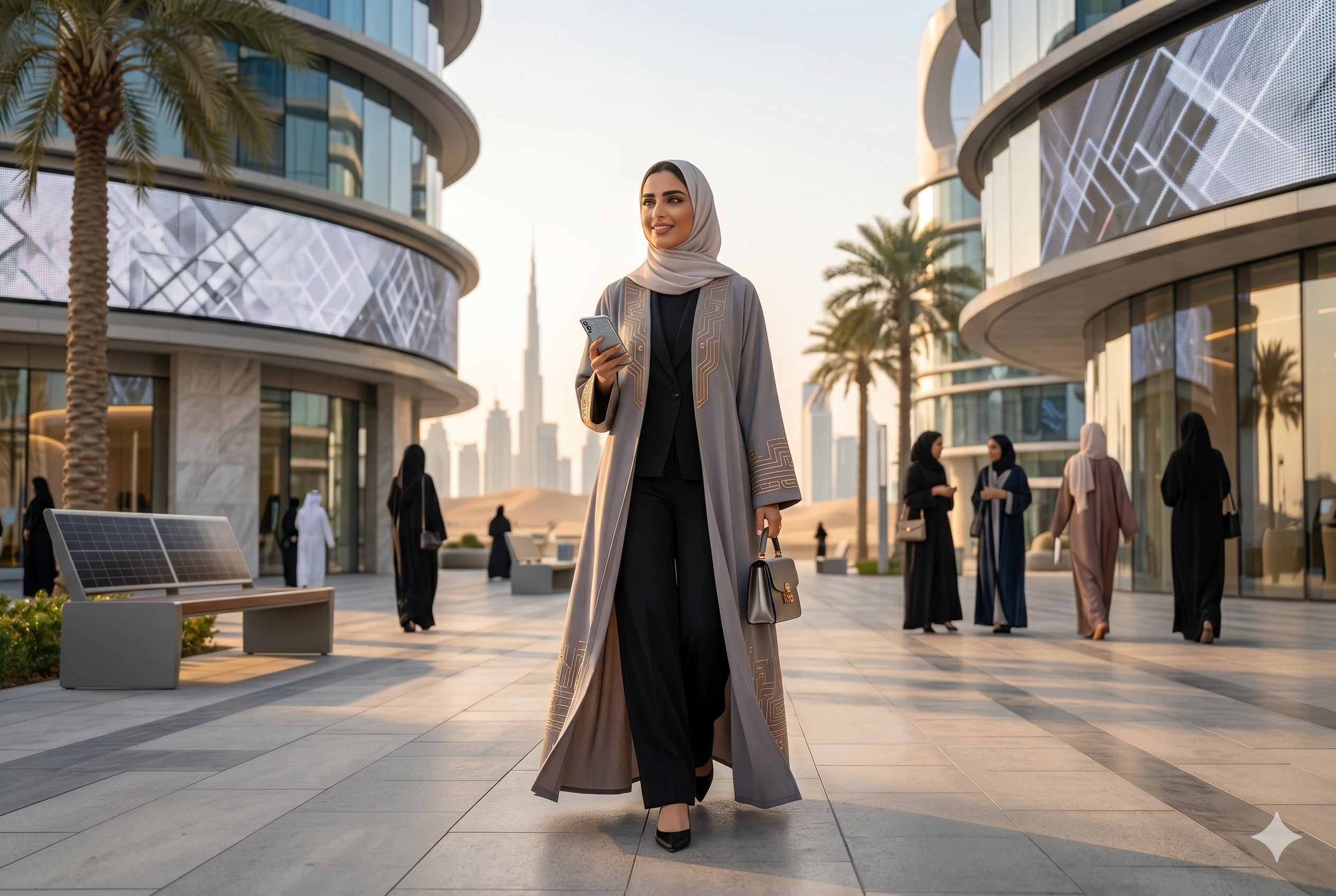
Length considerations for modest styling. Dubai's modest fashion culture appreciates longer lengths, and kimonos naturally provide this. A kimono that falls below the knee offers beautiful coverage while still feeling breezy and comfortable. If you're styling for particularly conservative settings, choose longer styles and avoid anything too sheer. The wonderful thing about a well-made kimono is that its natural drape provides coverage without clinging—modest and elegant without feeling restrictive.
The handcrafted advantage in hot climates. Mass-produced kimonos often use synthetic fabrics that trap heat and don't breathe. Handcrafted pieces typically use natural fibers that work with your body, not against it. The difference in comfort over a long Dubai day is remarkable—and it's one of those details you only appreciate once you've experienced it.
Building Your Kimono Collection: A Styling Guide
If you're just starting your kimono collection, the natural question is: where do I begin? Here's a strategic approach that maximizes versatility while building toward a complete wardrobe.
Your essential first kimono should be a neutral workhorse. Choose a mid-length style in black, navy, cream, or soft grey in a quality silk or cotton blend. This piece should be beautifully made but relatively simple in design—no bold prints or embellishments. Why? Because this kimono will work with literally everything in your closet. It's your meeting-to-dinner piece, your travel essential, your "I have nothing to wear" solution. Invest in quality here—you'll wear it constantly.
Your second addition brings personality. Now that you have your neutral foundation, this is where you choose something that makes you smile. A vibrant print, a rich jewel tone, an unexpected texture. This is your statement piece that transforms simple outfits into something memorable. Think emerald silk like Solara with subtle details, a bold geometric print, or luxurious fabric in deep burgundy.
Seasonal variations add depth. As your collection grows, consider adding season-specific pieces. A lightweight linen kimono for hot summer months. A structured design for cooler weather. A sheer evening style for special occasions. Each addition should serve a specific purpose while still working with multiple outfits.
The investment in quality pays off. Mass-produced kimonos might cost less initially, but consider the cost per wear over time. A handcrafted piece with superior fabric and construction will look beautiful after fifty wears. A cheap alternative often looks tired after five. The drape, the way it moves, the quality of the stitching—these details elevate every outfit you pair it with.
This is what we mean by building an upperwear capsule: a curated collection of top-layer pieces that do the heavy lifting in your wardrobe. Three exceptional kimonos styled strategically create more outfit possibilities than a closet full of mediocre options.
Frequently Asked Questions
Can you wear a kimono to work?
Absolutely—when styled intentionally. Treat your kimono as you would a blazer or structured jacket. Pair it with professional bottoms (tailored trousers or pencil skirts), keep the base layers simple and polished, and choose kimonos in solid colors or subtle patterns rather than bold prints. The key is in the styling: belt it for structure or leave it open for a relaxed professional look. Quality matters here—a well-made kimono reads as intentional fashion choice, not casual afterthought.
What do you wear under a kimono?
The beauty of a kimono is its versatility. For casual looks, wear it over jeans and a basic tee. For work, layer it over a silk blouse and trousers. For evening, pair it with a fitted dress. For the beach, it works beautifully over swimwear. The general rule: keep what's underneath relatively simple so the kimono can be your statement piece. If your kimono is sheer, add a camisole or slip underneath for coverage. For modest styling, ensure your base layers provide appropriate coverage at the neckline and sleeves.
How do you style a kimono modestly?
Modest kimono styling is surprisingly straightforward. Choose longer lengths that fall below the knee for maximum coverage. Layer over outfits that already provide appropriate coverage—high necklines, long sleeves, full-length bottoms. The kimono becomes an additional elegant layer rather than the only source of coverage. For professional or conservative settings, opt for structured fabrics over flowing sheers, and consider belting at the waist for a more defined silhouette. The natural drape of a quality kimono provides beautiful coverage without clinging.
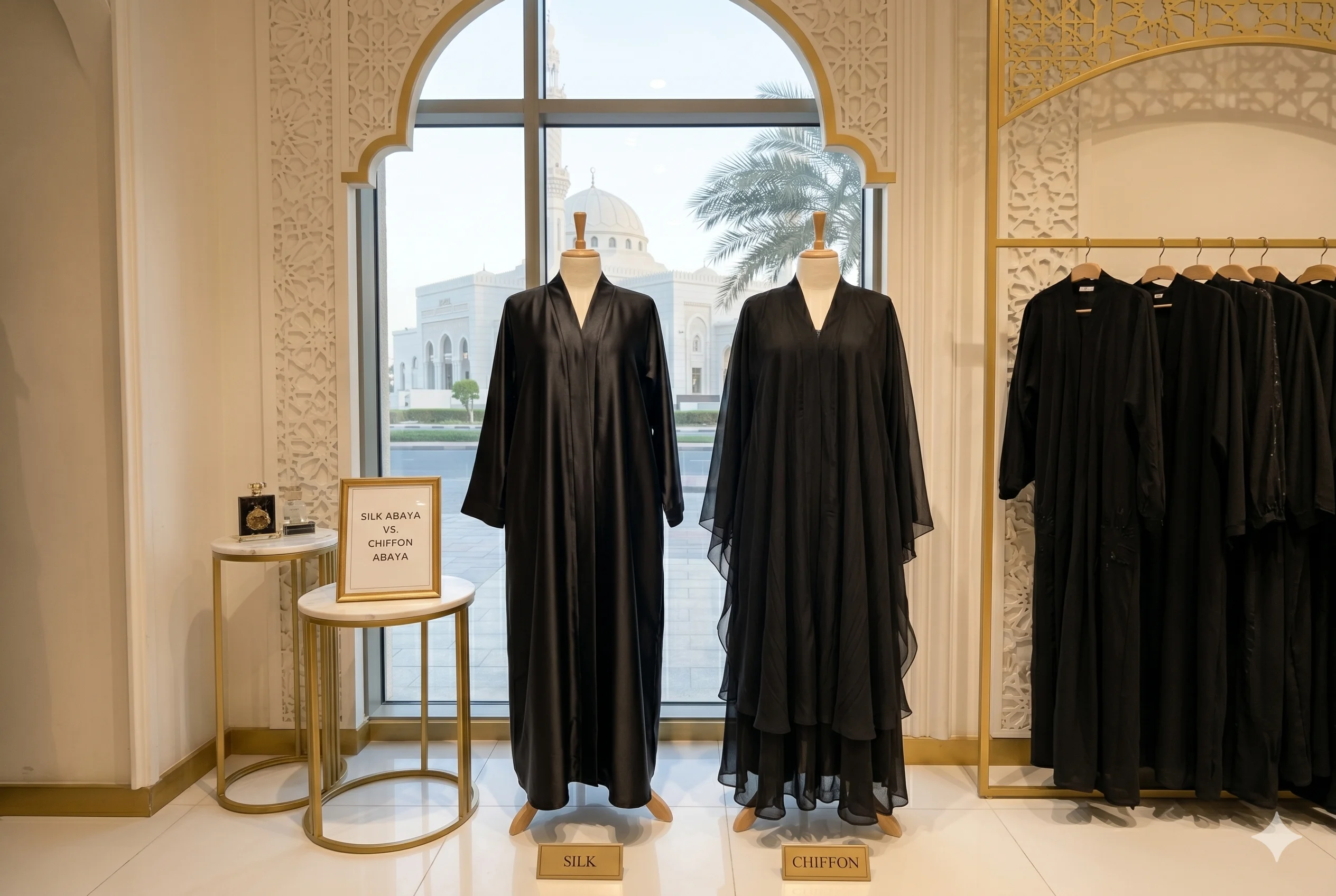
What's the difference between a kimono and an abaya?
While both are elegant modest wear options, they serve different style purposes. An abaya is traditionally a closed-front robe worn as a complete outfit. A kimono is an open-front layering piece designed to be styled over other garments—think of it as versatile outerwear rather than a complete look. Kimonos offer more styling flexibility since you can wear them open, belted, or wrapped in various ways. They work beautifully across cultures and styling preferences, making them perfect for modern modest fashion that appreciates both coverage and versatility.
How long should a kimono be for modest styling?
For modest styling in the GCC, choose kimonos that fall below the knee (midi to maxi length). This provides elegant coverage while maintaining the kimono's flowing silhouette. Pair longer kimonos with full-length trousers or maxi dresses underneath for professional or conservative settings. The longer length offers more versatility—you can wear it fully open without compromising modesty, or belt it at various points to create different proportions while maintaining appropriate coverage.
Can you wear a kimono in hot weather?
Absolutely—when you choose the right fabric. Silk kimonos are ideal for hot Dubai weather because silk naturally regulates temperature and wicks moisture. Look for lightweight, breathable materials rather than synthetics. Korean silk, in particular, stays cool against skin even in high temperatures while providing UV protection. The open-front design of a kimono allows air circulation, making it more comfortable in heat than closed garments. Choose lighter colors for outdoor wear to reflect heat, and opt for shorter sleeve lengths if you prefer.
What color kimono should I buy first?
Start with a neutral tone that works with your existing wardrobe: black, navy, cream, or soft grey. These versatile colors pair with everything and transition seamlessly from day to evening. Your second kimono can be a bold color or print that expresses your personality. Neutrals give you the most styling options and work across all seasons and occasions, making them the smartest first investment. Once you have your neutral foundation, you can add statement pieces that showcase your personal style.
Conclusion
The kimono you've been eyeing isn't just another piece to add to your closet—it's your invitation to smarter, more versatile styling. From Monday morning presentations to Saturday evening celebrations, you now have ten proven approaches that work for Dubai's unique blend of professional culture, modest fashion values, and elevated personal style.
What makes these styling methods work isn't complexity—it's intention. Whether you're belting your kimono for structure, layering it over a power outfit, or keeping it simple with jeans and a tee, the common thread is understanding how this one piece adapts to your life, not the other way around.
The difference between a kimono that sits unworn in your closet and one you reach for constantly comes down to two things: quality craftsmanship that drapes beautifully and styling confidence that comes from knowing exactly how to wear it. You now have both.
Ready to transform your wardrobe? Explore SHAZ's handcrafted kimono collection and discover the pieces that will become your new styling essentials. Each one is designed to work as hard and look as good as you do—because modern upperwear should never be an afterthought.