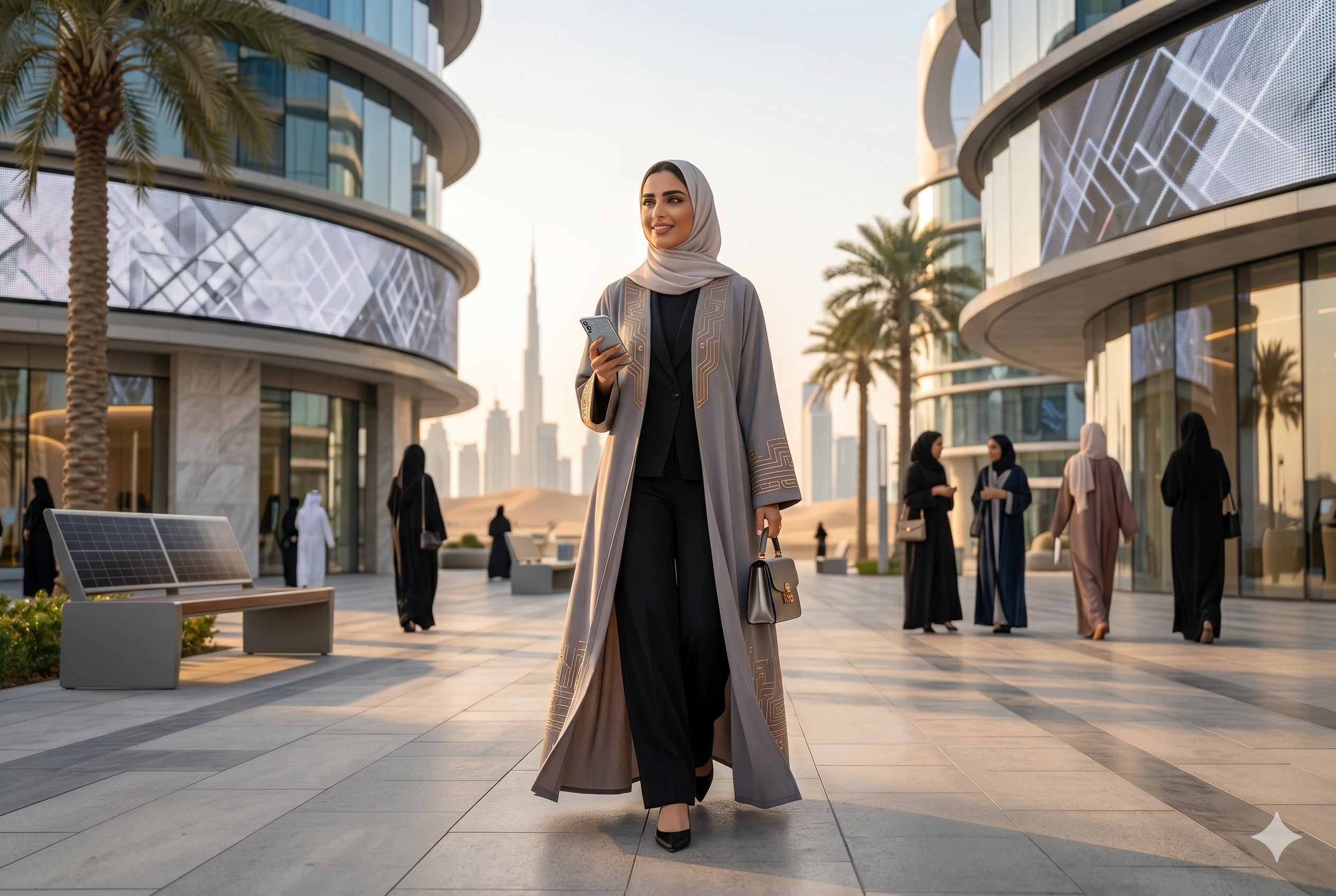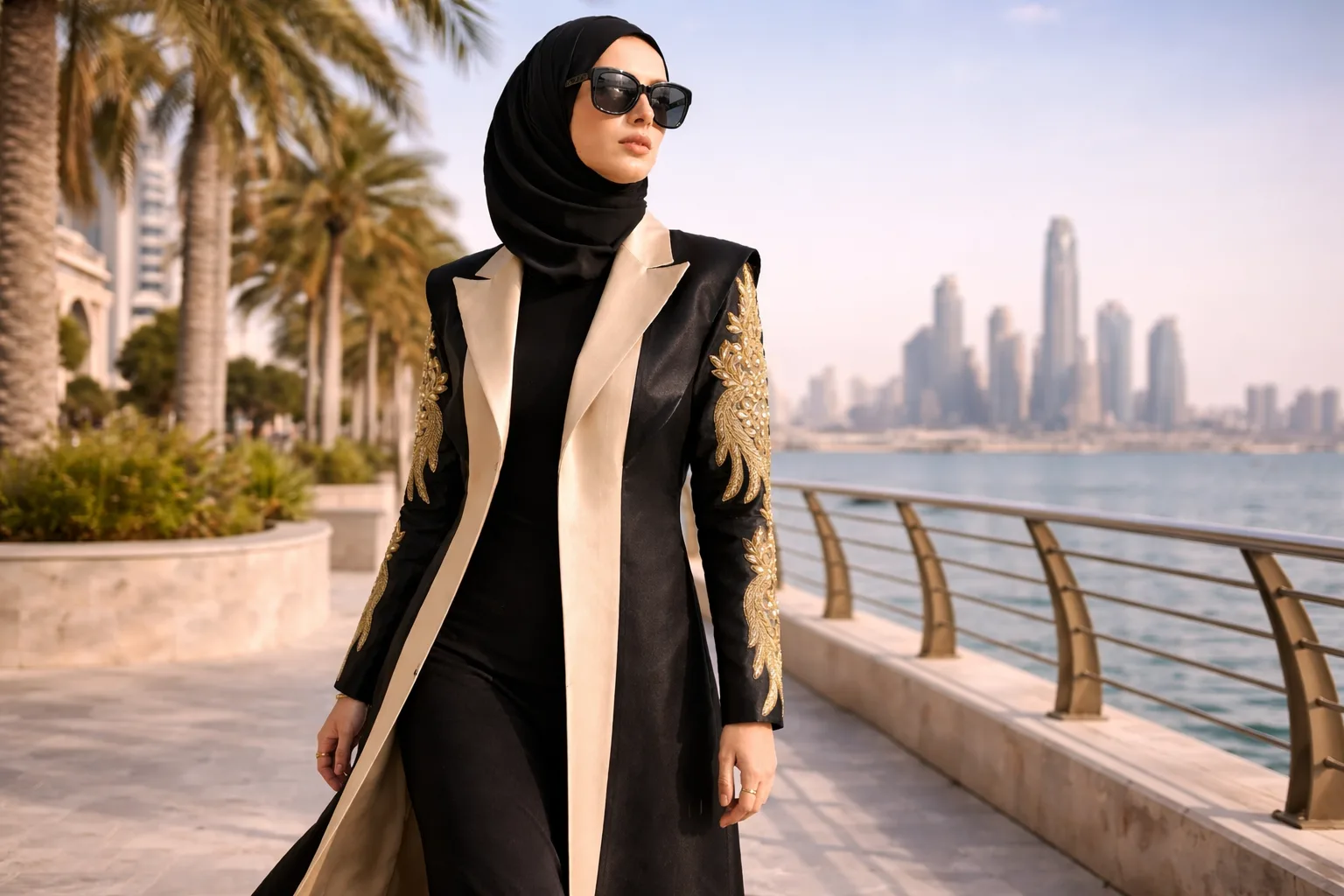


Linen Abaya: The Ultimate Guide for UAE Women in 2026
A linen abaya is the piece you reach for when the temperature climbs past 40°C and you still want to look pulled together. Linen breathes when synthetic fabrics suffocate, drapes beautifully without clinging, and softens with every wash. For UAE women navigating Dubai summers, school runs, beach days, and Eid gatherings, the right linen abaya is genuinely the most useful item in your wardrobe. This guide walks you through fabric basics, styling ideas, colour choices, and care — everything you need to choose and wear yours well.
What Is a Linen Abaya?
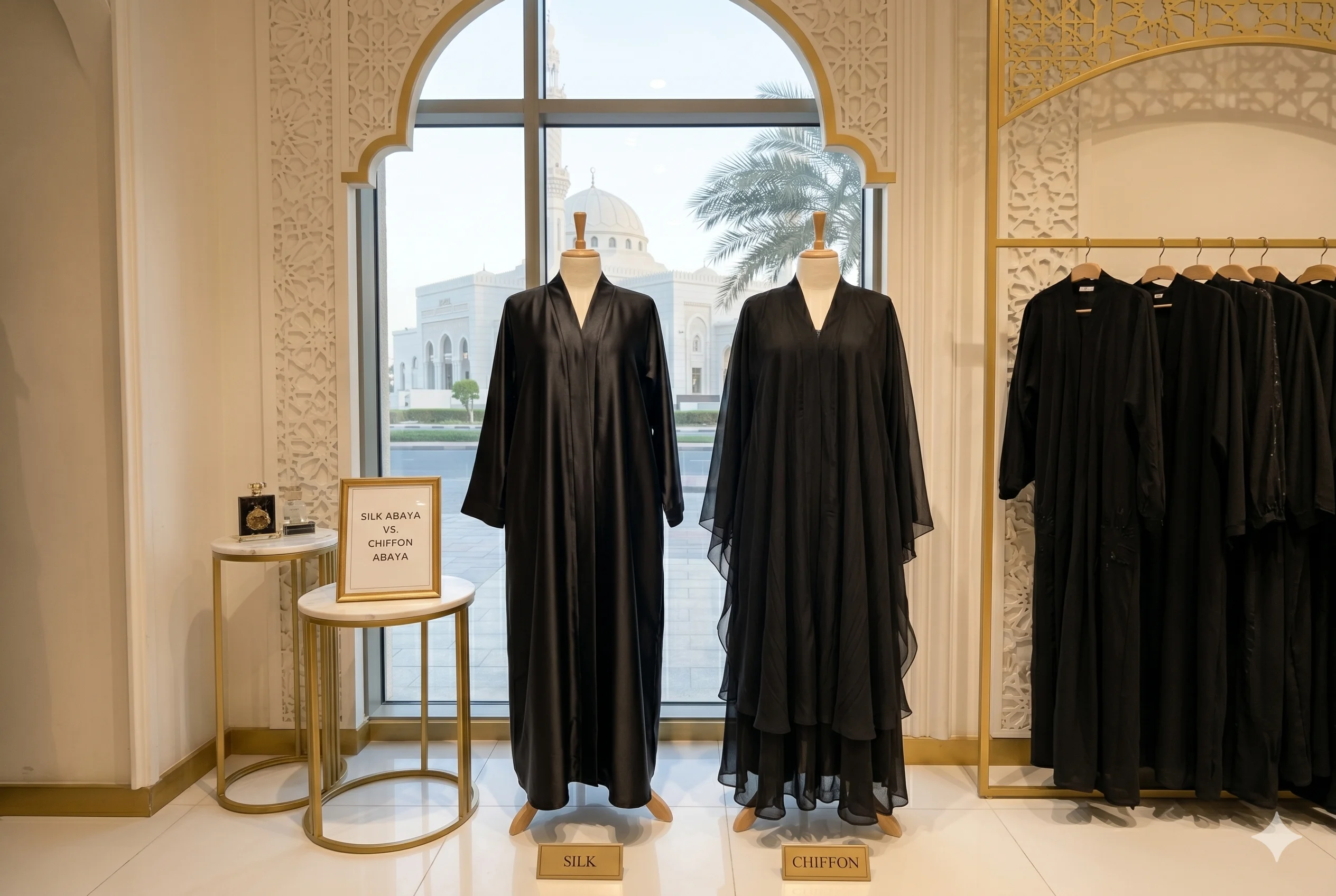
A linen abaya is an open or closed abaya cut from natural linen fibre — the same plant-based fabric used in luxury resort wear. Unlike chiffon, which is sheer and drapes loosely, or silk, which is heavier and more formal, linen sits somewhere in the middle. It has structure without stiffness, and a subtle texture that catches the light beautifully.
Linen is woven from the flax plant. The fibres are hollow, which means air moves through them naturally. That's why a linen piece feels noticeably cooler than polyester or even cotton on a 45°C Dubai afternoon. A quality linen abaya will have a slight slub texture, a soft hand-feel, and crease lines that fall naturally — those creases are part of the charm, not a flaw.
Why Linen Works So Well in the UAE
Heat management is the real reason linen earns its place in any UAE wardrobe. The fabric wicks moisture away from your skin and dries faster than cotton, which keeps you comfortable in humid coastal weather. It also reflects rather than absorbs heat, so you stay cooler standing outside Dubai Mall or walking through Souk Madinat at midday.
Beyond the heat, linen handles indoor air conditioning gracefully. You won't feel that sudden chill when you step from the car park into a freezing mall. The natural weave gives you just enough warmth, and an open linen abaya layers easily over a tee or slip dress. Across the GCC, women are returning to natural fabrics for exactly this reason — comfort that doesn't compromise on modesty.
How to Style a Linen Abaya
A linen abaya is the most forgiving canvas in modest fashion. Three outfits to try:
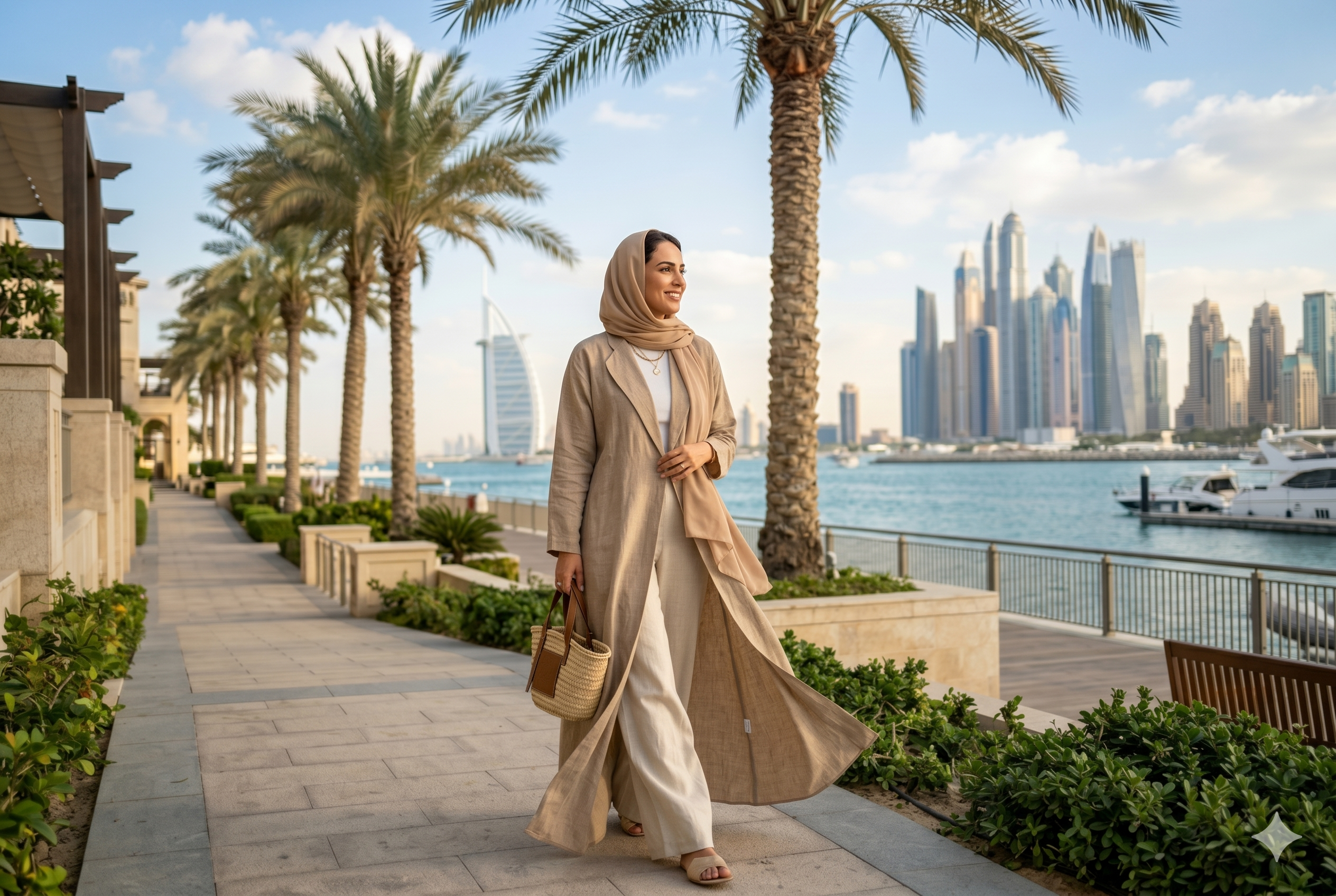
Casual day: Beige linen open abaya over a white cotton tee, straight-leg jeans, and tan leather sandals. Add a structured tote and gold hoops. This is the uniform for school runs, brunch in Jumeirah, or coffee in DIFC.
Workwear: A taupe linen abaya layered over a fitted black underdress, pointed flats or low heels, and a slim leather belt at the waist for shape. Keep jewellery minimal — a watch and small studs read polished, not fussy.
Evening: Cream linen abaya, ivory underlayer, embellished sandals, and statement gold earrings. Linen reads relaxed by default, so let your accessories do the elevating.
Linen Abaya Colours: Which Shades to Choose
Linen looks best in its natural colour palette — neutrals that flatter Gulf skin tones and hide dust between washes. Beige, sand, oatmeal, taupe, and soft sage are the strongest year-round choices. Cream and ivory work beautifully for resort and Eid occasions.
Darker shades like olive, slate, and charcoal in linen are striking but show creases more visibly, so they suit relaxed settings better than formal ones. White linen is gorgeous but high-maintenance in Dubai dust — keep it for indoor events. Browse our Effortless Wear collection for neutrals that have been tested in real UAE conditions.
How to Care for Your Linen Abaya
Linen rewards gentle care. Wash on a cool cycle (30°C or below) inside out, with a mild detergent and no fabric softener — softener coats the fibres and ruins linen's natural breathability over time. Skip the dryer if you can; air-drying preserves the shape and reduces shrinkage.
For ironing, work on the inside of the fabric while it's still slightly damp. Use medium heat with steam. If you prefer the relaxed, lived-in look, a quick steam on a hanger is enough. Store your linen abaya folded or on a wide hanger — never on a wire hanger, which leaves shoulder marks. Rotate between two or three pieces during summer and they'll easily last several seasons.
Where to Find Premium Linen Abayas in Dubai
The Dubai market has plenty of linen pieces, but quality varies enormously. Look for natural linen blends (linen with a small percentage of viscose or cotton can improve drape), French seams or finished hems, and an open kimono cut that layers well over your existing wardrobe.
SHAZ specialises in handcrafted kimono-style open abayas made for Dubai weather. Each piece is cut and finished by hand in our atelier, with attention to the small details — clean seams, weighted hems that drape correctly, and fabric chosen specifically for UAE summers. You can browse the full SHAZ collection online with free shipping across the UAE.
Frequently Asked Questions
Is a linen abaya suitable for Dubai summer?
Yes — linen is one of the best fabrics for Dubai summers. The natural fibre breathes, wicks moisture, and reflects heat better than most synthetic alternatives. A well-cut linen abaya keeps you cooler walking outdoors and warmer in air-conditioned interiors. Choose a lighter weight (around 150–180gsm) for peak summer and a slightly heavier weight for transitional months.
Does a linen abaya wrinkle a lot?
Linen creases naturally — that's part of its character. Higher-quality linen and linen blends crease less and recover their shape more quickly. If you prefer a smoother look, choose a linen-viscose blend or steam your abaya on the hanger before wearing. The relaxed creased finish is also a respected look in modern modest fashion.
How do I know if a linen abaya is good quality?
Check three things: the hand-feel (it should feel soft, not stiff or scratchy), the seams (they should be clean, ideally French-seamed or fully enclosed), and the drape (the fabric should fall in soft folds rather than standing away from the body). A good linen piece improves with each wash; a poor one pills or thins quickly.
Discover SHAZ's handcrafted linen-blend open abayas — made for UAE summers. Shop Effortless Wear →